
It is difficult and frustrating as a Colombian to see the enormous potential our country has in terms of biodiversity and nature tourism. Colombia is filled with incredible places waiting to be discovered across the entire nation, places where thousands of people could benefit from both international and domestic tourism, just as countries like Costa Rica, Indonesia, and the United States have done successfully for decades.
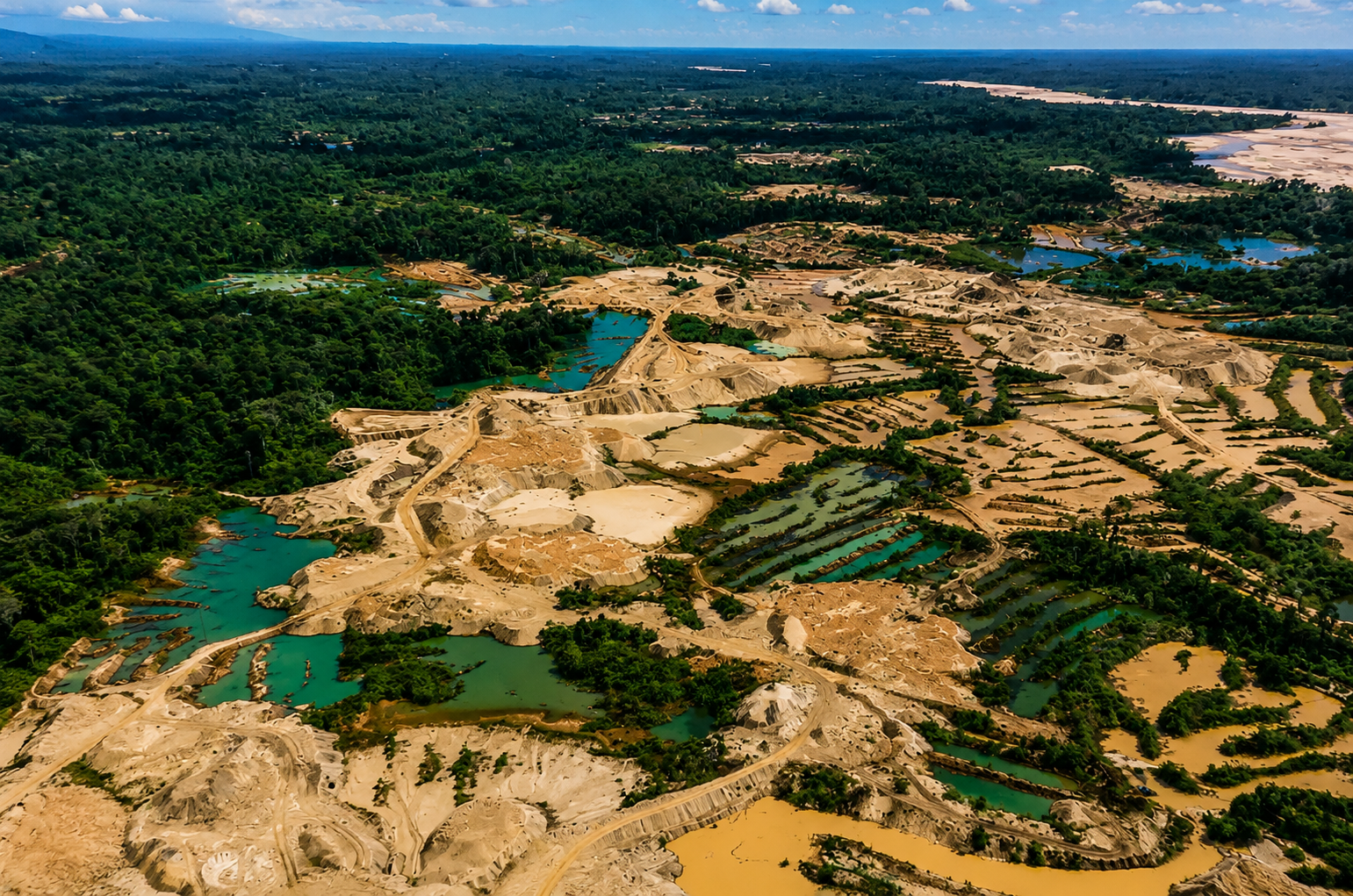
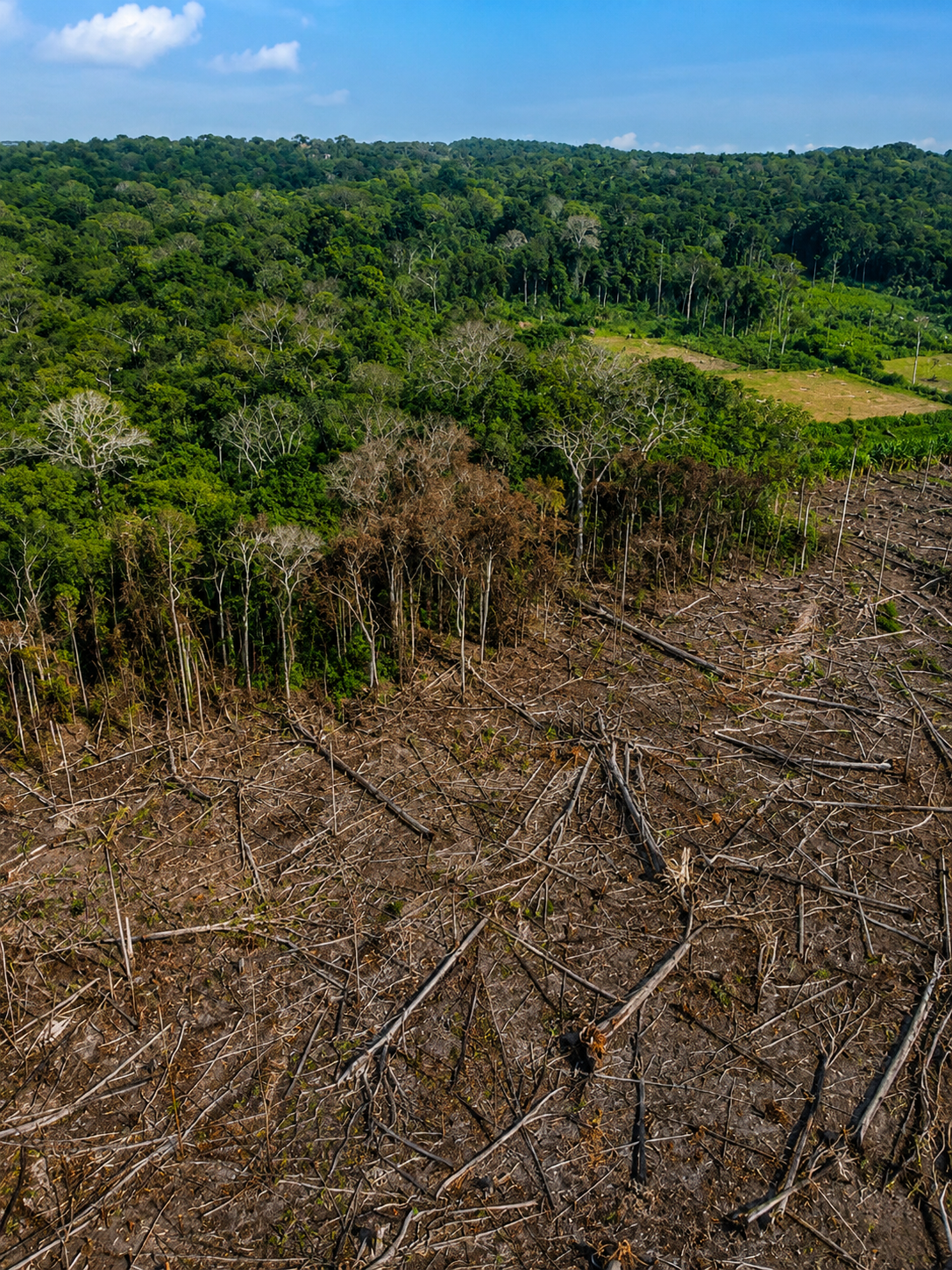
Unfortunately, issues such as drug trafficking, deforestation, illegal mining, and instability in many regions have prevented Colombia from positioning itself as one of the world’s top destinations to explore, enjoy, and learn about the immense diversity of animals, plants, and ecosystems that exist within our territory. Instead, many of the complex situations we face continue to affect our competitiveness and push many of these beautiful places back into obscurity, directly impacting communities that genuinely want change and hope to create jobs and better opportunities through tourism and conservation.
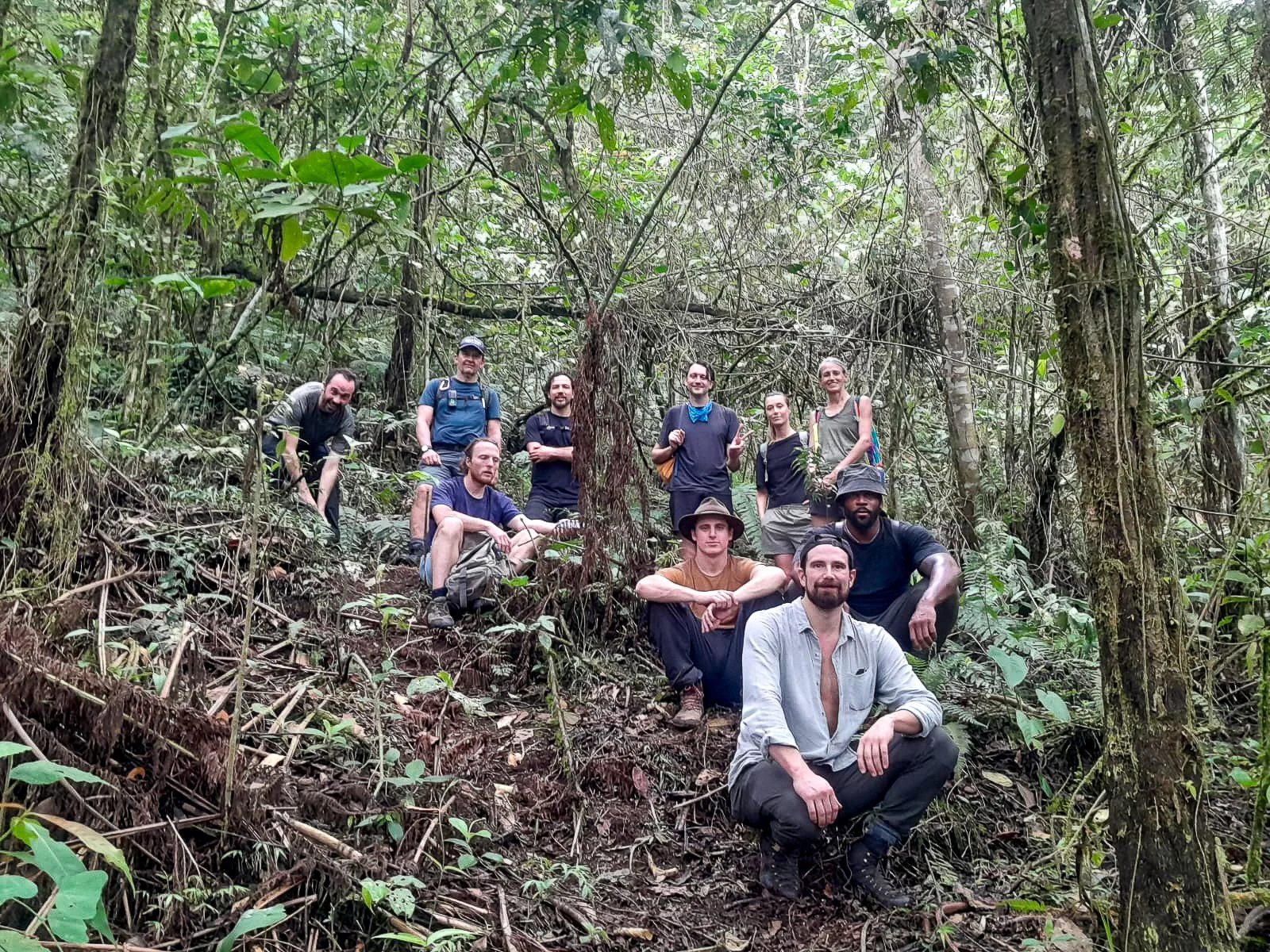
Farallones de Cali
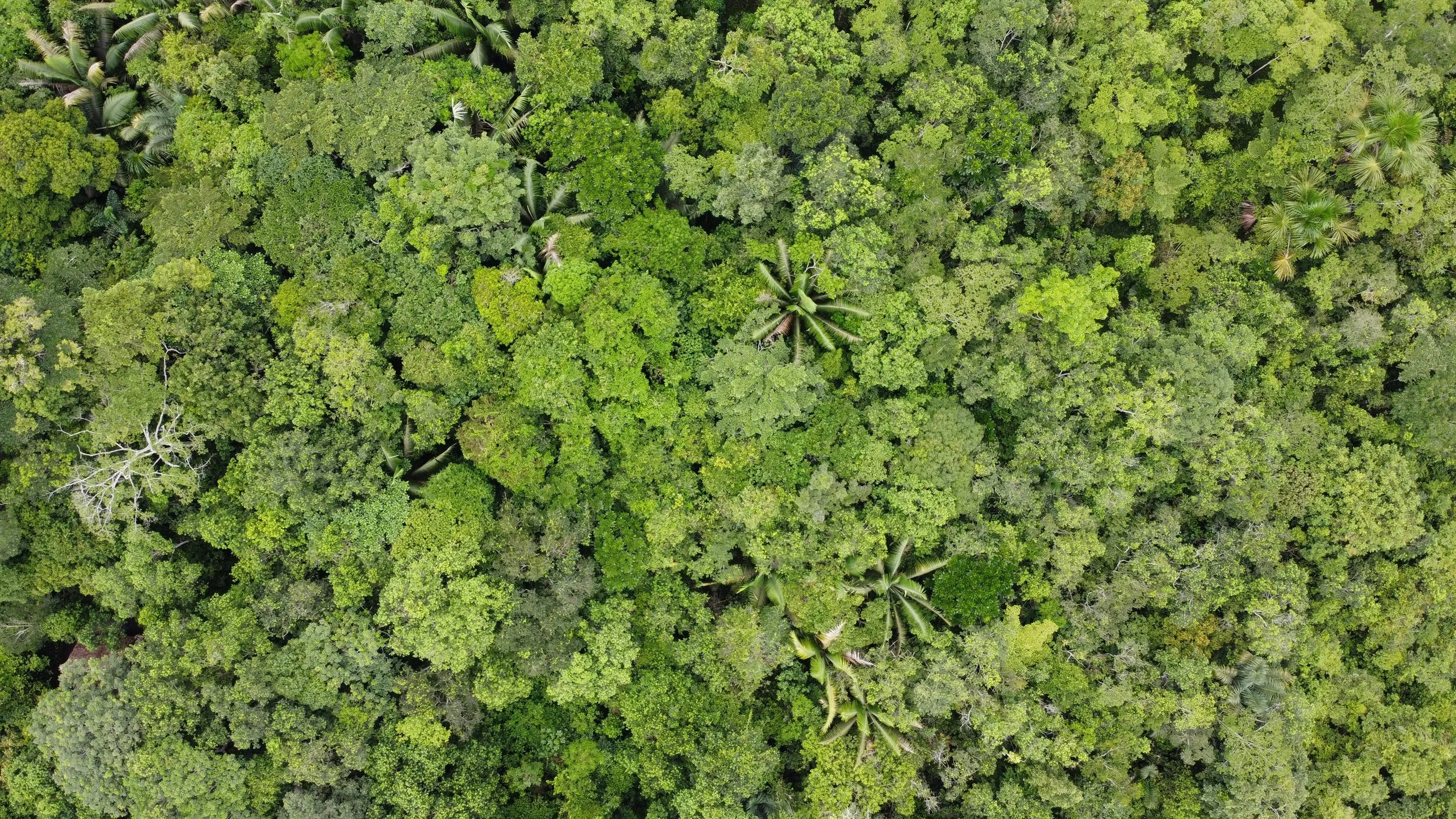
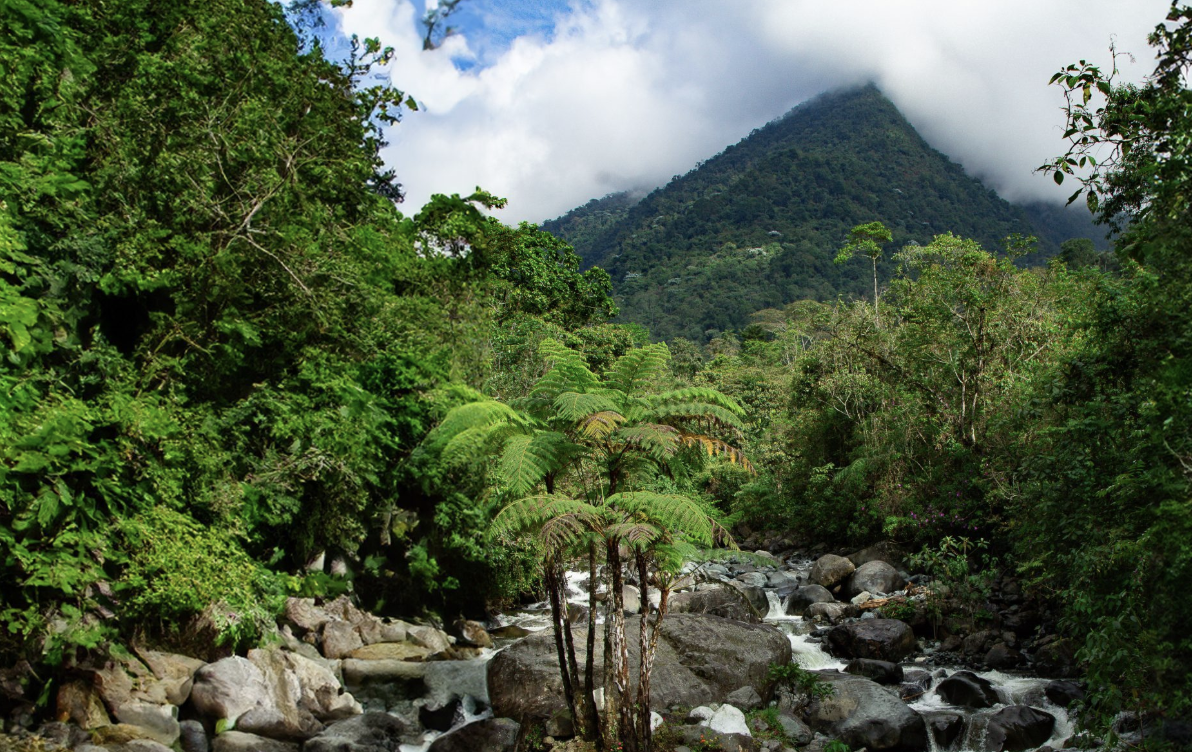
Home to hidden waterfalls, ancient forests, and extraordinary biodiversity, this is one of Colombia's greatest natural treasures.
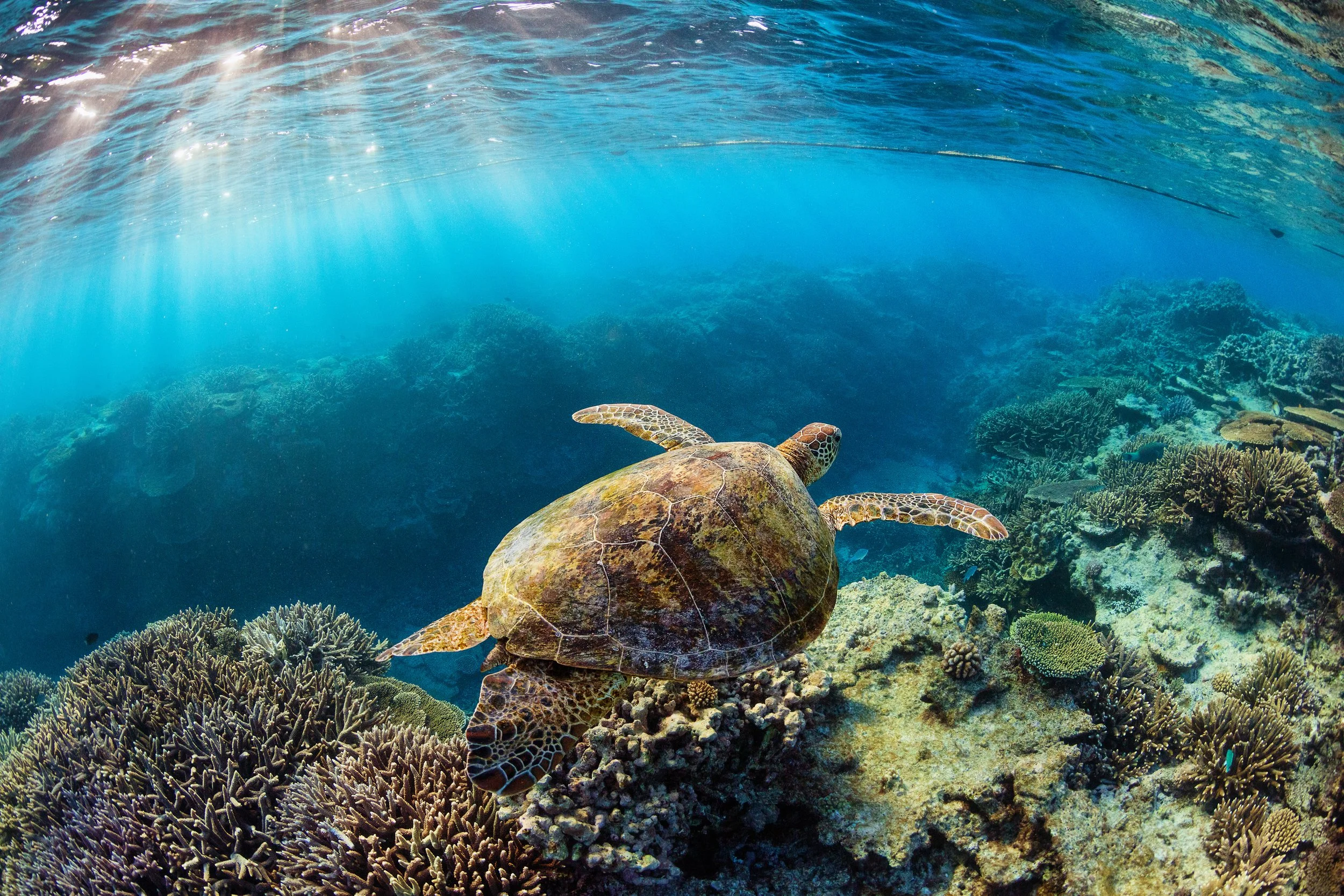
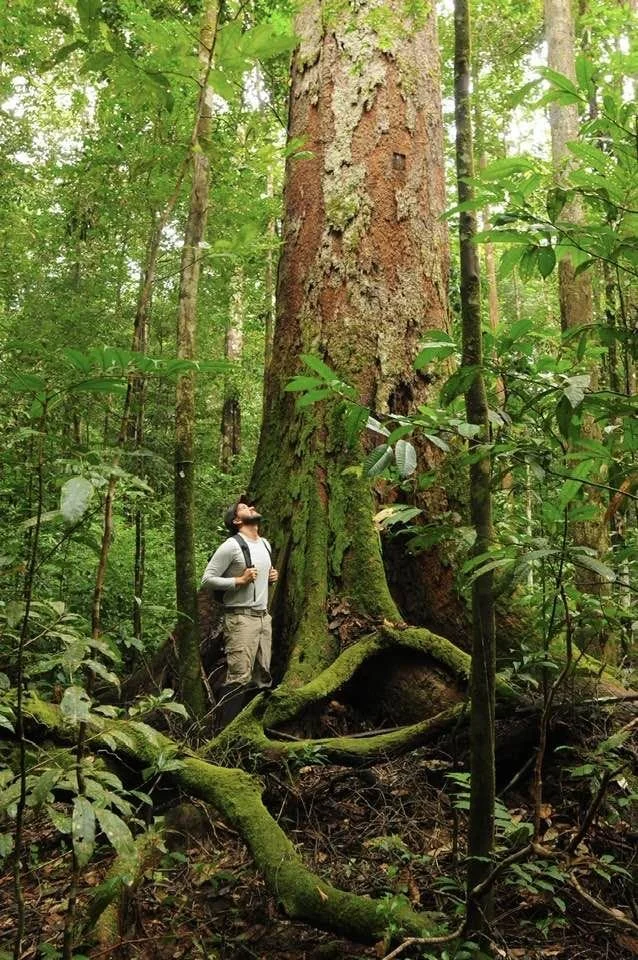
In many of the destinations we currently work with, we increasingly find ourselves forced to take precautions and avoid unnecessary risks, while at the same time witnessing a gradual decline in visitors to several regions in southwestern Colombia, including Valle del Cauca. And it is truly unfortunate because this is one of the most privileged regions in the country, surrounded by two mountain ranges and home to extraordinary places such as Farallones de Cali National Natural Park, along with countless landscapes rich in biodiversity, culture, rivers, forests, and unique wildlife.
Meanwhile, other destinations such as the Coffee Region and the Caribbean Coast continue to grow, organize themselves, and understand the positive impact that nature tourism can bring to local communities and regional development.
This raises a very difficult question: how can we reduce these problems and create a better future for the next generations?
From my perspective, the change must begin with our mentality. Colombians need to feel proud again of who we are, what we have, and what we can offer to the world.
Sadly, we are still far from seeing real change. In many cases, the people causing environmental damage to rivers, forests, mountains, and oceans are not necessarily doing it because they want to destroy nature, but because they face extreme economic hardship and are simply trying to bring food to their families.
I believe one of the most important steps toward changing this reality is to stop glorifying the people and cultures that caused so much damage to the country in the past. As long as drug culture continues to be romanticized, Colombia will struggle to escape the cycle of violence, corruption, and stigmatization that has followed us for decades.
The current government has attempted to explore alternatives that may benefit coca producers, considering that coca itself also carries ancestral and cultural significance in several South American countries. However, I believe much stronger efforts must be made to help armed groups understand the long-term damage being caused not only to communities but also to the environment itself.
But this transformation cannot be achieved through more violence alone. Colombia needs a true national consensus and a more genuine peace process, one where political divisions stop creating hatred and separation among Colombians themselves. The next president will face the difficult challenge of helping change the mentality of millions of Colombians who are tired of violence, corruption, and the constant negative image that continues to follow the country.
Sometimes these realities feel as if they were taken directly from the pages of One Hundred Years of Solitude, as though Colombia remains trapped in an endless cycle that repeats itself over and over again.Even so, I still believe we are capable of changing our story.
We must believe more in our country and begin changing our mindset. Through our work, we are trying to show the beautiful side of Valle del Cauca by promoting its mountains, forests, rivers, birds, biodiversity, and communities. But we cannot do it alone. If meaningful changes are not achieved in the short or medium term, many regions will continue to remain forgotten, just like the many people who have spent years trying to create jobs, educate others, protect nature, and show the true beauty of Colombia to the world.
I am not here to judge the path people choose in life or the decisions they make. More than anything, what I truly want is a better country and real solutions that can help all of us move forward together.
I dream of the day when I can wake up, turn on the news, and not be surrounded by so much negativity, violence, and hopelessness. It is a dream I have carried with me for a very long time.
And if there is a God up there — which I truly believe there is — then one day all of us will stand before Him and answer for the things we did, the damage we caused, and the opportunities we had to make this world a better place.